News
Trends in the U.S. Smart Lock Market: Significantly Growing Commercial Sector
Trends in the U.S. Smart Lock Market: Significantly Growing Commercial Sector
The commercial sector, including hotels, hospitals, offices, schools, and rental spaces, anticipates a substantial rise in smart lock adoption during the forecast period. Factors like secure and easy management of various entry points via remote access, as well as the ability to track venue security, drive the increasing adoption of smart locks in these spaces, prompting significant investments from stakeholders. According to data from the Gun Violence Archive (GVA), there were 417 mass shooting incidents in the U.S. by the end of 2019, with nearly 20,000 deaths attributed to gun violence in 2020 alone—an alarming increase compared to previous years. These statistics underscore the need for organizations, particularly schools and churches, to seek the highest possible level of security in an era where mass shootings in public places are prevalent.
Moreover, the proliferation of smartphones is fueling the growth of connected devices, enabling users to remotely access and unlock doors via various internet-enabled mobile applications. Customer service and experience play a crucial role in the hospitality industry, with hotel management striving to ensure guests have a pleasant stay. In this endeavor, hotels are planning to adopt Bluetooth or Wi-Fi locks to replace RFID locks for enhanced venue security kwikset keyless entry touchpad deadbolt.
**Increasing Adoption of Smart Homes Contributing to Residential Market Growth**
With the increasing adoption of smart home technology and products biometric door knob, the U.S. emerges as a primary market in North America. According to research by the National Council for Home Safety (Alarms.org), over three-fifths of Americans claim security as the greatest benefit of owning smart homes. Additionally, 57% of Americans believe smart home technology saves an average of 30 minutes per day. In the coming years, prominent brands like ADT, Bosch, and Honeywell will offer smart locks and security cameras as smart home security options to U.S. consumers.
In August 2020, security and smart home solutions provider ADT announced a long-term partnership with Google to develop next-generation smart home security products. This collaboration will combine Nest's award-winning hardware and services supported by Google's machine learning (ML) technology with ADT's installation and professional monitoring network, creating more useful smart home and integrated experiences for customers across the United States.
The adoption of smart locks continues to pique interest in the country. It is estimated that many American broadband households are purchasing smart locks. Nearly 35% of American broadband households consider smart locks to be affordable. Some households intending to purchase smart locks indicate they will buy standalone devices, while most prefer to purchase smart locks as part of a home security or home control system. The addition of new products by vendors to their product portfolios will further drive market growth. For example, U.S.-based Kwikset added the latest product, Halo Touch Wi-Fi Smart Lock, to its Wi-Fi smart lock series.
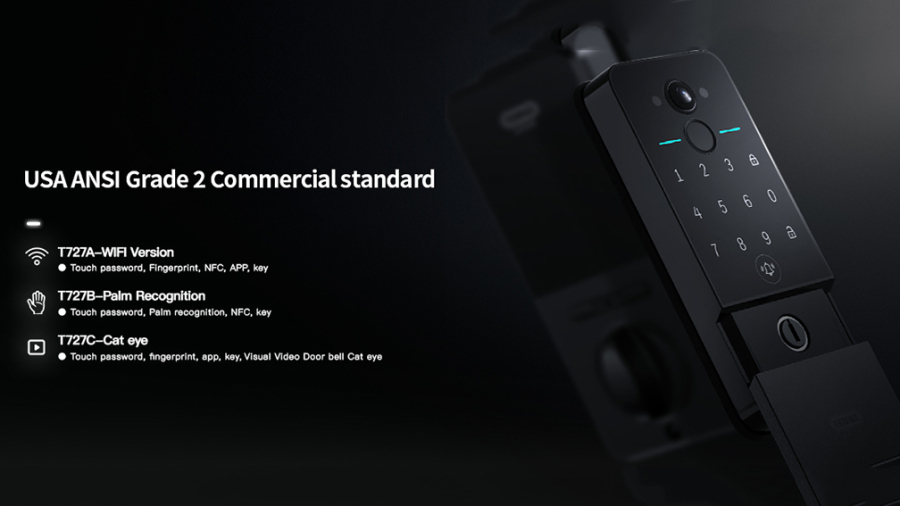
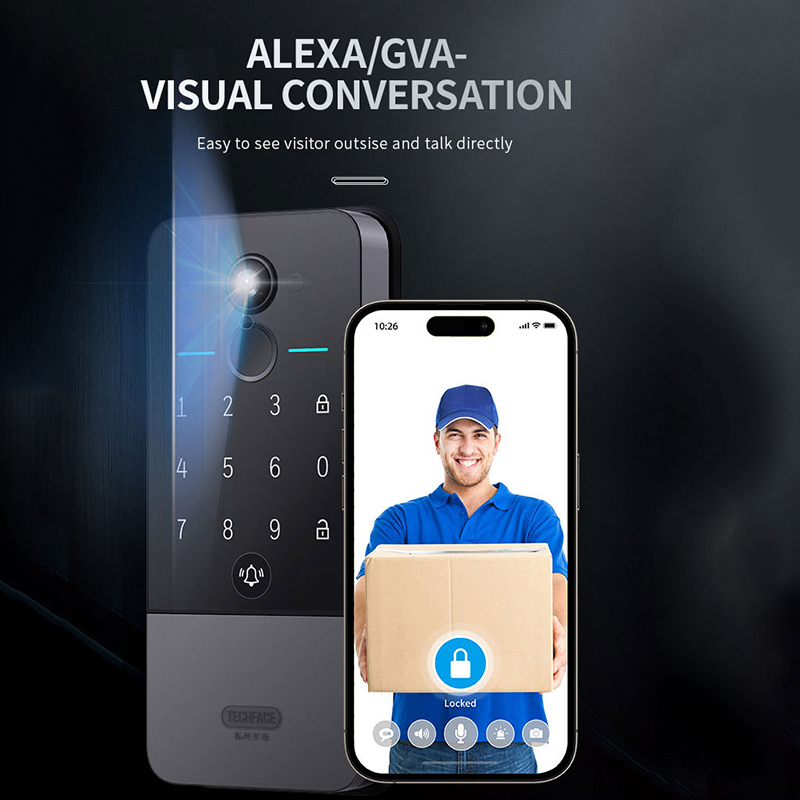
Moreover, products offered by smart lock technology innovator TECHFACE have sparked homeowners' interest in enhancing front door security to unprecedented levels of sophistication.
**Overview of the U.S. Smart Lock Industry**
The intensity of competition depends on various factors influencing the market, such as brand identity, smart lock that fits over existing deadboltrobust competitive strategies, and distribution control. However, market vendors have significantly differentiated their products through strategies integrating enhanced features, such as remote access, wireless capabilities, strategic partnerships (additional services, benefits, product bundling, and distribution), and greater discounts. Brand image is closely associated with companies having a significant impact on the market. Strong brands are synonymous with good performance, with established players expected to gain the upper hand. Competition is expected to remain fierce due to their market penetration and ability to offer advanced products.
0users like this.