News
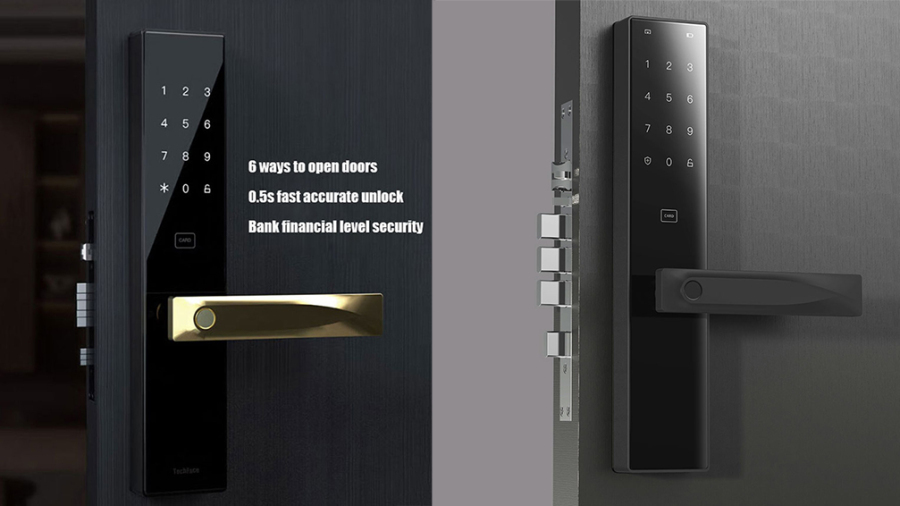
Choosing a Biometric Lock
Choosing a Biometric Lock
A biometric lock uses unique identification features to determine whether a person is allowed access. It can include fingerprint scanners, eye recognition systems, or facial recognition. Its main purpose is to eliminate the need for passcodes, key cards, or physical keys that can be lost or stolen. It is an important component of any security system and can help prevent break-ins by making it more difficult for criminals to gain access to your property.
A good biometric lock will have a backup method in case it fails, such as a keypad or a mechanical key slot. It is also recommended that you choose one that is made of tough brass or steel instead of aluminum to avoid it being broken easily with a crowbar. The FRR (False Rejection Rate) of a biometric lock is another important factor that you should consider when buying one. You should go for a model with a low FRR, which means that it will reject fake fingerprints less frequently.
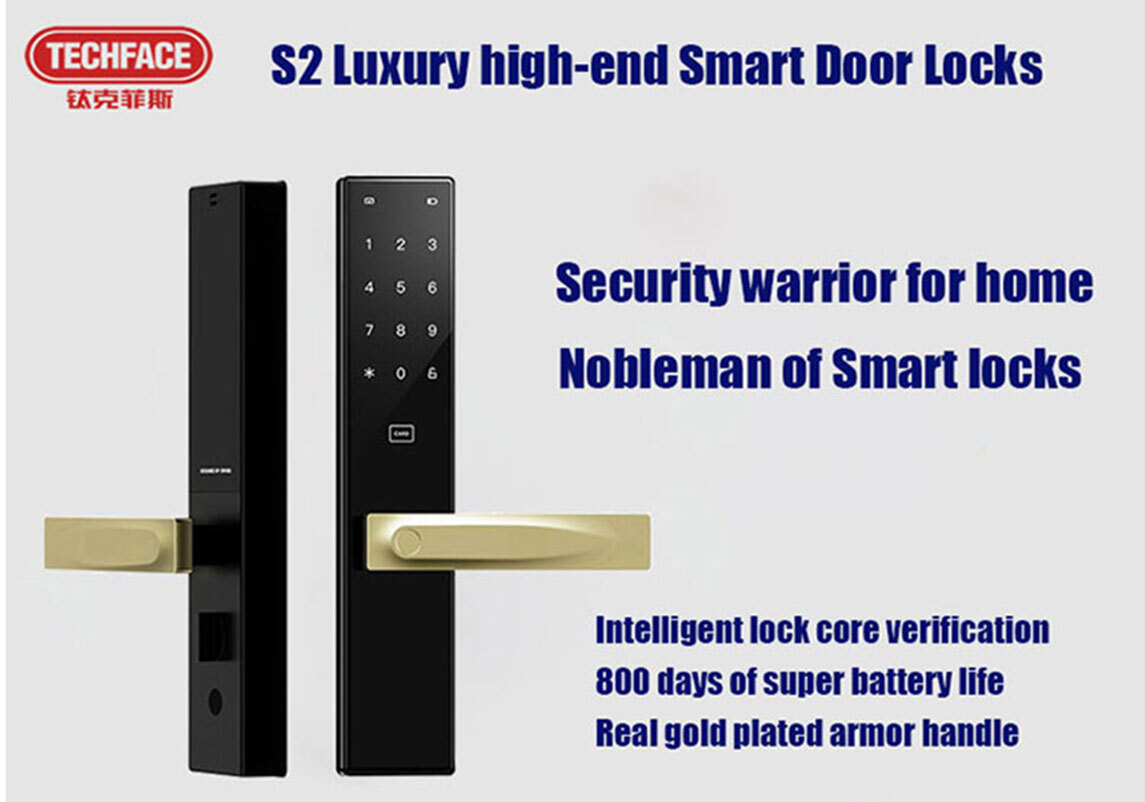
Unlike conventional locks, biometric scanners require no external wiring. This makes them more streamlined and efficient to install, maintain, and use. They can be integrated with home automation systems to allow users to open doors by simply presenting their fingerprint or a code. They can also be used in conjunction with existing security cameras for a more comprehensive system.
Biometric locks also have the added benefit of preventing theft and unauthorized entry. They are extremely secure and cannot be duplicated like a key or password. They can even be used to track when and who entered your home, which can be helpful if you live away from home.
When choosing a biometric lock, make sure it is compatible with your existing door type and security system. It is also essential that it is user-friendly and able to accommodate any special needs your family or business may have.
Some of the most popular biometric locks include fingerprint, iris, and facial recognition scanners. They are commonly used in homes, offices, and hospitals, and can be installed in place of traditional mortise locks or lever handles. Many also feature a touchscreen or keypad for easy entry and control.
Fingerprint-based systems are the most common. They scan the friction ridge skin on your fingers and match it with an already stored fingerprint template. If the match is successful, the green LED on the scanner will signal it and your door will unlock. The process is very quick, typically completed in a fraction of a second.
Another advantage of a fingerprint lock is that it can be programmed to recognize a large number of authorized users. These can be granted access using fingerprint recognition, pin code entry, or both, and you can easily add or remove them at any time. In addition, you can set the time and date for each entrance, which is perfect if you want to track the history of who has been in and out of your home.
Tags:biometric door knob
0users like this.